
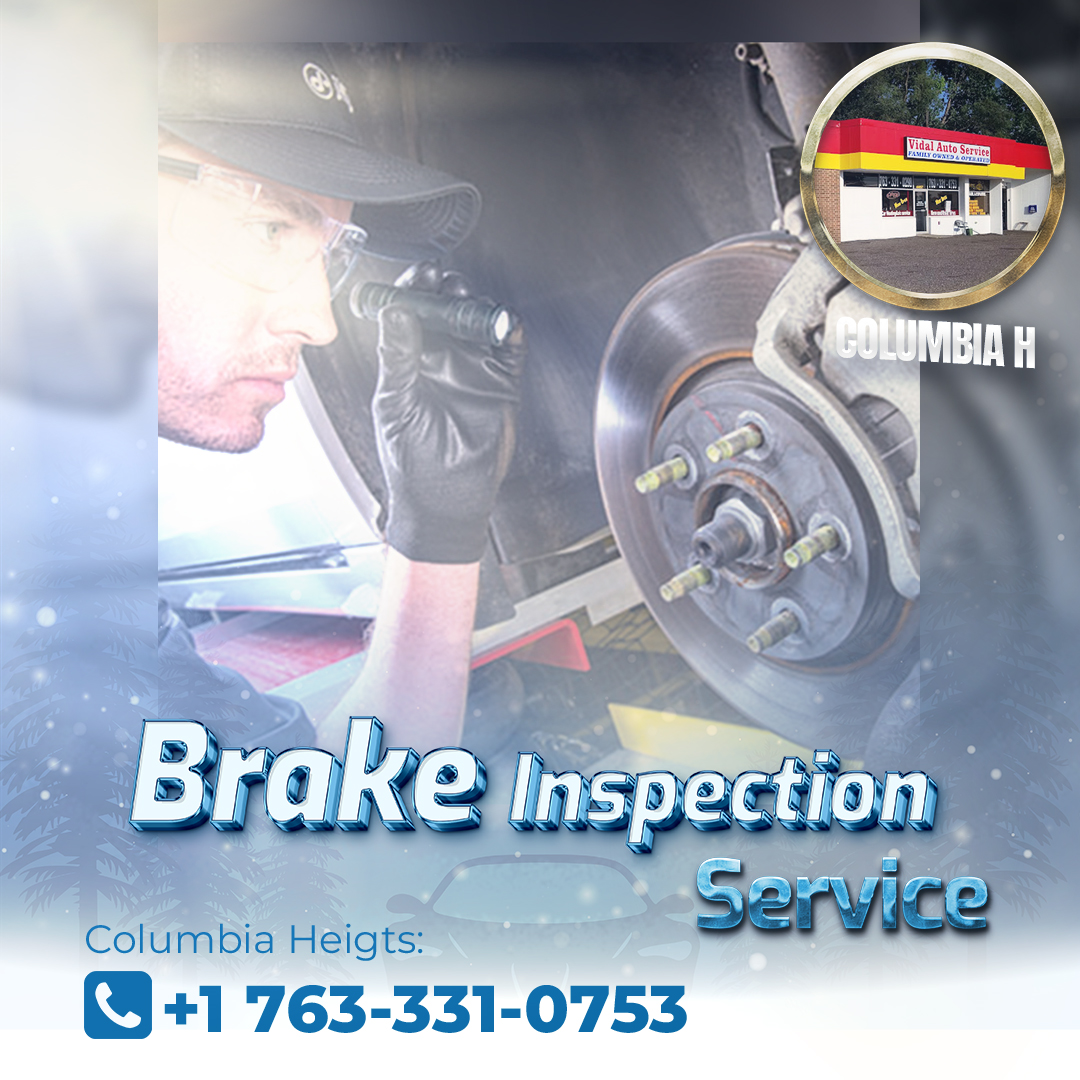
Does Your Car Feel Weird When You Press the Brakes?
Does Your Car Feel Weird When You Press the Brakes?
Introduction – Why Brake Problems Should Never Be Ignored
The Subtle Signs Your Brakes Are Crying for Help
Have you ever pressed your brake pedal and thought, “That didn’t feel right”? Maybe it vibrated under your foot. Maybe you heard a squeak. Or worse, maybe it felt soft and slow to respond. Your brakes are one of the most important safety systems in your vehicle, and when they start acting unusual, they are sending you a message.
Squeaking often means your brake pads are wearing thin. Grinding could signal metal-on-metal contact. Vibrations might point to warped rotors. These are not minor annoyances — they are warning signs. Ignoring them is like ignoring a flashing red light on your dashboard. It may not seem urgent at first, but it can quickly become dangerous.
Why Winter Makes Brake Issues Worse
Winter changes everything. Snow, ice, freezing temperatures, and road salt all work against your vehicle’s performance. Your braking system has to work harder in slippery conditions, and any weakness becomes more noticeable. Cold weather can stiffen components, moisture can create rust, and reduced traction means your brakes must perform at their absolute best.
About Vidal Auto Service – Your Local Auto Experts
Proudly Serving Our Community
At Vidal Auto Service, we proudly serve drivers in Columbia Heights, Minnesota and surrounding communities. We understand Midwest winters because we live here too. We know what icy roads feel like at 7 a.m., and we know how critical dependable brakes are when the temperature drops below freezing.
A Community-Focused Auto Shop You Can Trust
We’re not a giant chain pushing unnecessary repairs. We’re your neighbors. Our goal is simple: keep you and your family safe on the road. That means honest recommendations, transparent pricing, and repairs that are truly needed — nothing more.
Common Brake Problems Drivers Experience
Grinding, Squeaking, and Vibrations
If you hear squeaking when braking, your brake pads may be worn down. Grinding is more serious and often means the pads are completely worn, allowing metal parts to rub together. Vibrations in the steering wheel or brake pedal usually indicate uneven or warped rotors.
Soft or Spongy Brake Pedal
A soft brake pedal can signal air in the brake lines or low brake fluid. Since your braking system relies on hydraulic pressure, any loss of pressure reduces stopping power. In winter conditions, that loss of performance can dramatically increase your stopping distance.
Car Pulling to One Side
Does your vehicle drift left or right when braking? This could mean uneven brake pad wear, a sticking caliper, or suspension issues. Braking should be smooth and straight. If your car is steering itself while you’re trying to stop, it’s time for a professional inspection.
Why Winter Is the Most Dangerous Season for Your Brakes
Snow, Ice, and Road Salt Damage
Moisture and Rust Build-Up
Road salt helps melt ice, but it also accelerates corrosion. Moisture combined with freezing temperatures creates the perfect environment for rust to form on rotors, brake lines, and calipers. Over time, rust weakens these components and affects braking performance.
Reduced Traction and Increased Stopping Distance
On dry pavement, your brakes perform predictably. On snow and ice, traction decreases dramatically. Even if your braking system is in decent shape, winter conditions push it to the limit. If there is any existing wear or damage, winter will expose it quickly.
What’s Included in Our Professional Brake Inspection Service
Brake Pad and Rotor Inspection
During a brake inspection at Vidal Auto Service, we carefully measure brake pad thickness and examine rotors for scoring, cracking, or warping. If components are close to wearing out, we explain your options clearly so you can make an informed decision.
Brake Fluid and Line Check
Brake fluid absorbs moisture over time, reducing its effectiveness. We inspect fluid levels, test its condition, and check brake lines for leaks or cracks. Proper hydraulic pressure is essential for safe stopping power.
Calipers, Hoses, and Hardware Inspection
Calipers apply pressure to your brake pads. If they stick or malfunction, braking becomes uneven. We inspect calipers, hoses, and mounting hardware to ensure every component functions correctly.
Complete Auto Services Beyond Brake Inspections
Oil Changes and Engine Tune-Ups
Clean oil keeps your engine running efficiently. Routine oil changes and tune-ups improve performance, extend engine life, and enhance fuel economy. Think of it as routine health care for your vehicle.
Tire Replacement and Suspension Services
Strong brakes need strong traction. Worn tires increase stopping distance, especially in winter. Suspension issues can affect stability and control when braking. We ensure your entire system works together smoothly.
Transmission Services and Liquid Checks
Your vehicle relies on multiple fluids to operate safely. We provide transmission services and comprehensive liquid checks, including coolant, brake fluid, and power steering fluid inspections.
Winter Ready Programs
Our Winter Ready Program prepares your vehicle for extreme temperatures. We check battery strength, antifreeze levels, heating systems, tire condition, and brake performance. Winter in Minnesota is unpredictable — preparation is key.
The Benefits of Choosing a Local Auto Shop
Personalized Customer Care
At Vidal Auto Service, you’re more than just a ticket number. We take the time to explain issues clearly and answer your questions. We want you to feel confident every time you drive away.
Fast Turnaround and Honest Pricing
We respect your time and your budget. Our team works efficiently without compromising quality, and we provide straightforward pricing with no hidden surprises.
Warning Signs You Need Immediate Brake Service
Dashboard Brake Light
If your brake warning light turns on, do not ignore it. This indicator exists for a reason and often signals low brake fluid or another serious issue.
Burning Smell After Braking
A sharp, burning odor after braking may indicate overheated components. This can happen during heavy braking or if parts are sticking.
Longer Stopping Distances
If your vehicle takes longer to stop than it used to, that’s a clear sign something isn’t right. Even a small increase in stopping distance can make a big difference in emergency situations.
Why Preventative Maintenance Saves You Money
Small Fixes vs. Major Repairs
Replacing brake pads is far more affordable than replacing damaged rotors and calipers. Catching issues early keeps repair costs manageable and prevents unexpected breakdowns.
Protecting Your Family’s Safety
Your brakes are your vehicle’s primary safety feature. Whether it’s sudden traffic, icy intersections, or an unexpected obstacle, reliable brakes can make all the difference.
Conclusion – Don’t Let Winter Compromise Your Safety
If your car feels strange when you press the brakes, don’t wait for the problem to get worse. Winter driving demands maximum stopping power and complete confidence behind the wheel. At Vidal Auto Service, we are committed to keeping you safe with thorough, professional brake inspections and complete auto care solutions.
Schedule your brake inspection today and drive through winter with confidence.
Frequently Asked Questions (FAQs)
1. How often should I get my brakes inspected?
At least once a year, or immediately if you notice unusual sounds or reduced stopping power.
2. How long do brake pads last?
Brake pads typically last between 30,000 and 70,000 miles depending on driving habits and conditions.
3. Is it safe to drive with squeaky brakes?
Squeaking may indicate worn pads. It’s best to have them inspected before the issue becomes more serious.
4. Why do brakes feel worse in winter?
Cold temperatures, moisture, and road salt affect brake components and reduce traction.
5. How long does a brake inspection take?
Most brake inspections take less than an hour, depending on the vehicle’s condition.



Leave a Reply