
Identifying Powertrain Issues
Powertrain Maintenance
Understanding the Powertrain System
The powertrain serves as the vital bridge between a vehicle’s engine and the road. While the engine generates raw energy, the powertrain manages and delivers that power to the wheels to facilitate movement. Because this system is the backbone of every drive, even minor issues can lead to sluggish acceleration, higher fuel consumption, or total mechanical failure. At Vidal Auto Service in Columbia Heights, we believe owners who learn to recognize the auditory, tactile, and operational warning signs of powertrain distress can prevent small problems from evolving into catastrophic and expensive repairs.
The Components of the Drivetrain
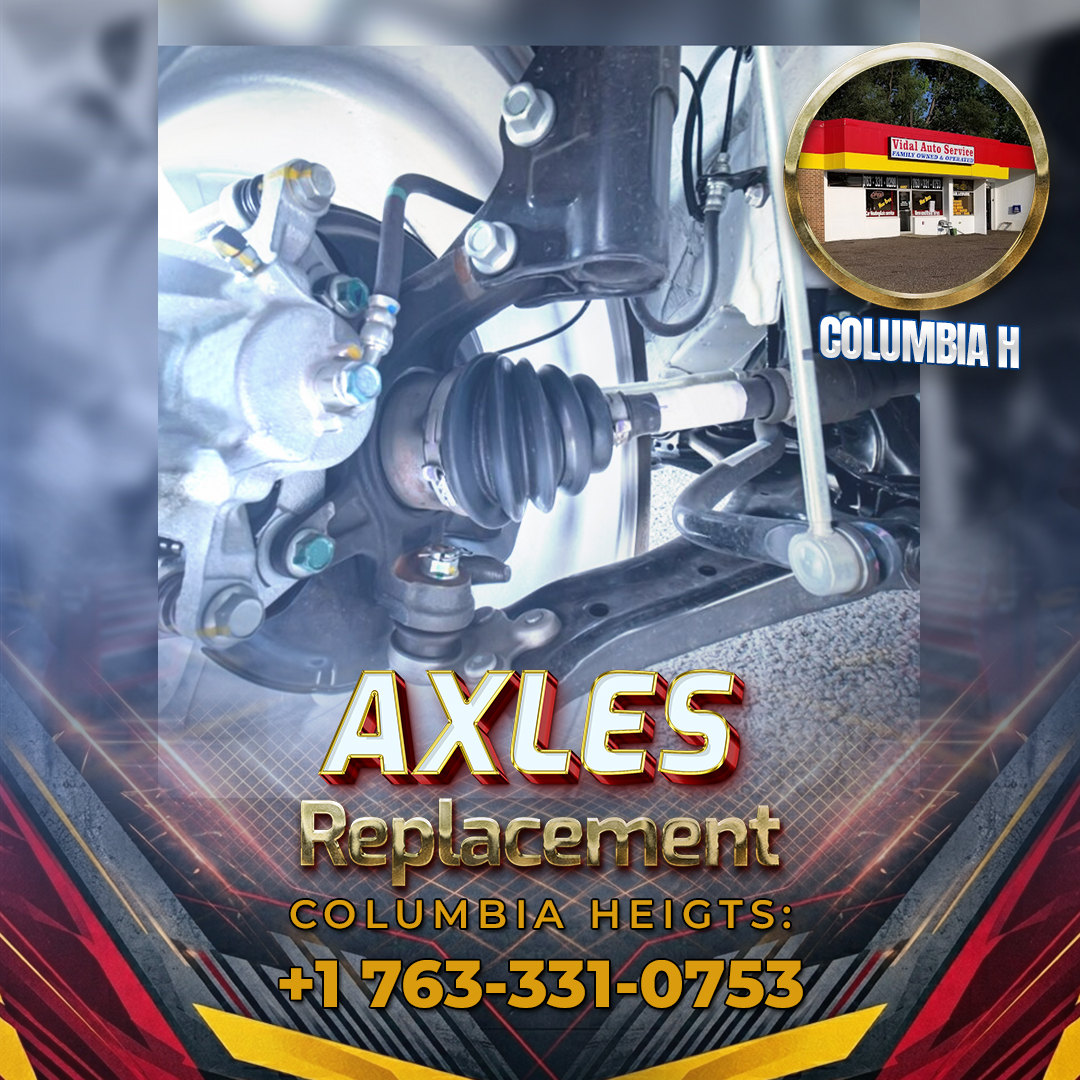
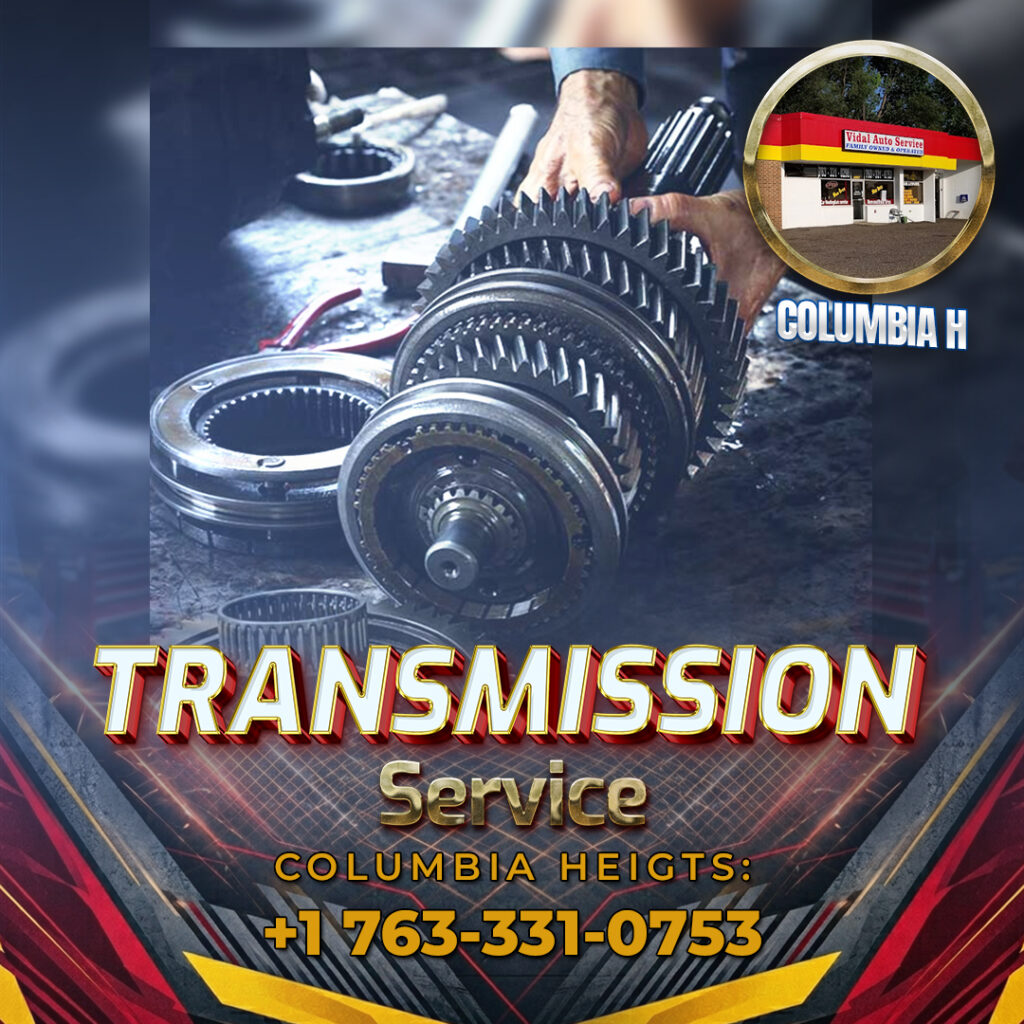
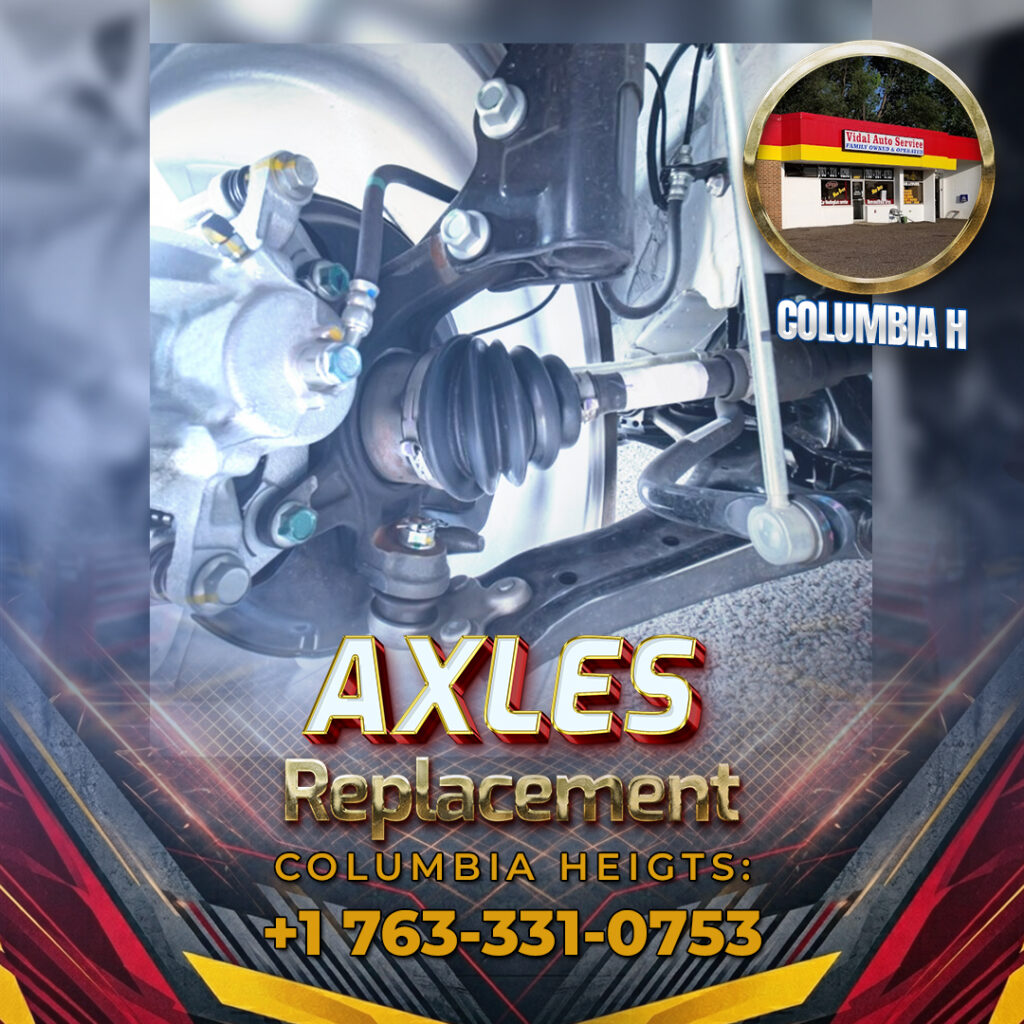
To understand how to spot issues, one must first recognize the “team” of experts that make up the system: the transmission, driveshaft, differential, CV joints, and axles. The transmission adjusts engine power to match driving speed, while the driveshaft and axles act as the delivery system to the wheels. The differential is a clever device that allows wheels to spin at different speeds during turns. Because these components are interconnected, the failure of a single part, such as a torn CV boot or a worn universal joint, can cause the entire drivetrain to suffer.
Auditory and Tactile Warning Signs
The most immediate ways to spot trouble are through unusual noises and physical vibrations. Worn-out universal joints often produce loud clunking sounds, while a failing differential or low fluid levels may cause a distinct grinding or whining noise during acceleration. Tactile clues are equally telling; vibrations felt through the steering wheel, floor, or seat are frequently tied to an unbalanced driveshaft or damaged CV joints. If a vehicle begins to shake at certain speeds, the team at Vidal Auto Service in Columbia Heights notes it is often a sign that the powertrain’s rotating components are no longer in sync.
Operational and Visual Symptoms
Operational changes and visual cues provide further evidence of powertrain failure. Difficulty shifting gears—such as jerking, hesitating, or rough transitions—is a primary symptom of transmission trouble or low fluid levels. Owners should also be wary of unresponsive acceleration, where the vehicle feels weak despite pressing the gas pedal. Visually, puddles of red or dark fluid under the car are “never a good sign” and typically indicate leaks from the transmission, differential, or transfer case. Even unusual tire wear can be a symptom, signaling that the axles are misaligned or the differential is failing to distribute power correctly.
Proactive Vehicle Care and Longevity
In conclusion, maintaining the powertrain is essential for a vehicle’s reliability and performance. By staying alert to new sounds, strange vibrations, and changes in shifting behavior, drivers can take a proactive approach to vehicle care. Early detection not only ensures a smoother and safer driving experience but also protects the owner’s financial investment by avoiding the high costs associated with total system failure. Through consistent observation and regular fluid checks at Vidal Auto Service in Columbia Heights, car owners can confidently keep their vehicles moving forward for years to come.




Leave a Reply