
Distinguishing Brake Noises
Distinguishing Brake Noises
Distinguishing Brake Pad Issues from Other Vehicle Noises
A vehicle communicates its health through a complex language of auditory signals, dashboard lights, and physical vibrations. For a car owner, the ability to decode these sounds is a vital skill that can mean the difference between a minor maintenance task and a catastrophic mechanical failure. While modern cars are equipped with advanced sensors, the human ear remains one of the most effective tools for early problem detection. Distinguishing between specific brake pad noises and similar sounds coming from the engine or drivetrain is essential for ensuring safety and avoiding unnecessary repair costs. At Vidal Auto Service in Columbia Heights, we believe an informed driver is a safer driver.
Identifying Brake-Specific Sounds
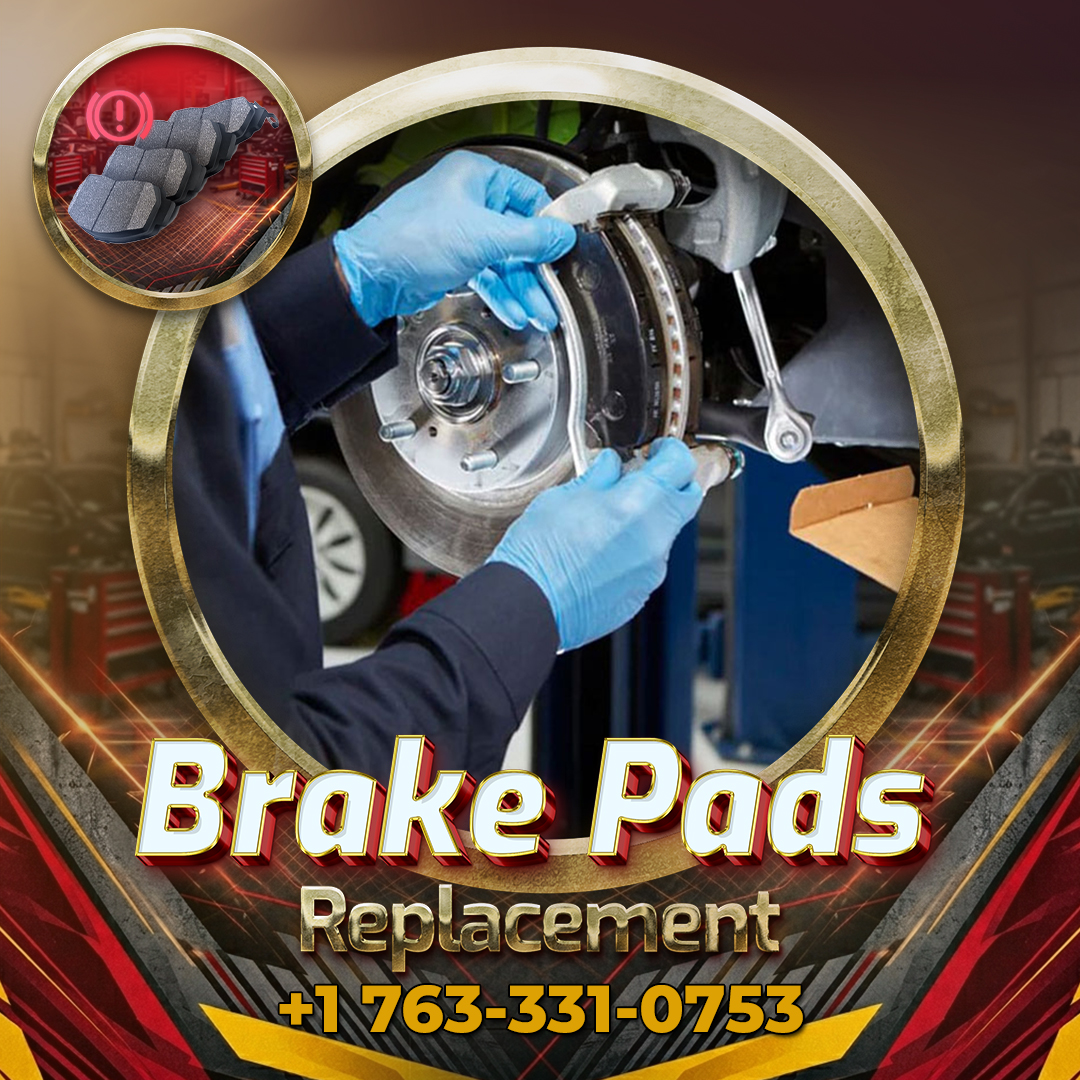
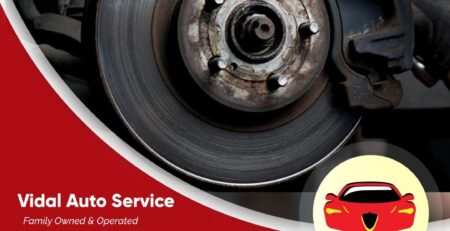
Brake pad issues are characterized by distinct high-pitched and metallic sounds that usually occur during the act of deceleration. A high-pitched squeal or squeaking noise is a classic indicator that the brake pads are thin; many pads include built-in wear indicators designed to make this sound as a warning. If the warning is ignored, the sound often transitions into a harsh grinding or scraping, which signals that the pads are completely worn and the metal backing is contacting the rotors. These noises are often accompanied by tactile clues, such as a spongy brake pedal or vibrations felt through the steering wheel specifically when the brakes are applied. If you experience these symptoms, the experts at Vidal Auto Service in Columbia Heights are ready to assist.
Engine and Belt Noises vs. Brake Wear
In contrast, noises originating from the engine or accessory belts can mimic brake sounds but occur under different operating conditions. For example, a high-pitched squeal that happens while the engine is idling or accelerating—rather than braking—is typically caused by a slipping serpentine belt. Unlike the friction-based noises of brake pads, engine issues often manifest as knocking, pinging, or rhythmic ticking, which indicate problems with the fuel-air mixture, ignition timing, or a loose timing belt. Because these sounds are tied to the engine’s internal combustion cycle, they will persist regardless of whether the vehicle is coming to a stop.
Drivetrain and Suspension Clues
Drivetrain and suspension components also produce unique sounds that are frequently misidentified as brake trouble. While failing brakes might grind during a stop, a failing differential or transmission may produce a persistent whining or grinding noise that increases with the vehicle’s speed. A worn CV joint produces a very specific clicking or popping sound, but this occurs primarily when the steering wheel is turned sharply, rather than when the brakes are engaged. Furthermore, clunking noises that happen when driving over bumps are usually indicative of worn suspension bushings or shocks rather than a fault in the braking system.
Proactive Maintenance and Safety
In conclusion, becoming an observant driver allows for a proactive approach to vehicle maintenance that protects both the driver’s safety and their financial investment. By identifying whether a noise is tied to deceleration, engine RPMs, or steering maneuvers, an owner can pinpoint the root cause of trouble before it escalates. Whether a sound requires a simple DIY brake pad swap or a professional engine diagnostic, listening to the car’s “voice” is the first step toward long-term reliability. Ultimately, a well-maintained vehicle is the result of an owner who knows when to pick up a wrench and when to visit Vidal Auto Service in Columbia Heights for expert guidance.




Leave a Reply