The Hidden Costs of Cheap Brake Pads
The braking system is the most critical active safety component of any vehicle. While many owners are tempted to choose the most budget-friendly parts during a repair, the “cheapest” option often leads to higher long-term expenses. At Vidal Auto Service in Minneapolis, we’ve seen how inexpensive brake pads may provide immediate financial relief, but their significant downsides include a drastically shorter lifespan, increased noise levels, and the high risk of causing expensive damage to the vehicle’s rotors. Understanding these trade-offs is essential for any driver looking to balance safety with their maintenance budget.
Rapid Wear and Frequent Replacements
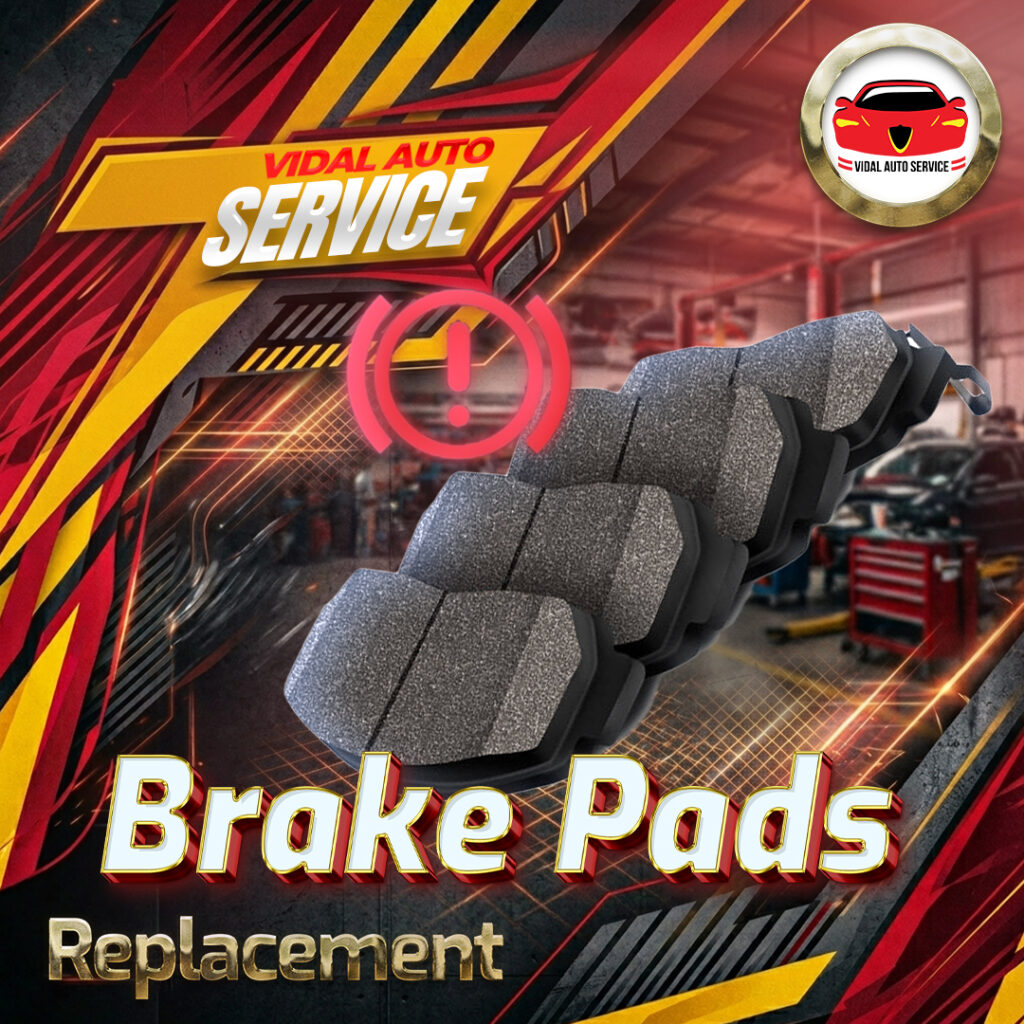
The primary disadvantage of low-cost brake pads is their rapid rate of wear. Budget-friendly options, such as organic pads, are generally made of softer materials that succumb to friction and heat much faster than their more expensive counterparts. While a set of high-quality ceramic or metallic pads is designed for longevity, the cheapest pads often require much more frequent replacements to maintain safe stopping distances. Consequently, the time and effort—or professional labor costs—required for repeated installations can quickly negate any initial savings gained at the parts counter.
Noise Pollution and Driving Comfort
In addition to wearing out quickly, cheap brake pads often result in a noisier and less comfortable driving experience. Lower-grade semi-metallic or non-asbestos pads are frequently “harder and noisier” than premium options, leading to persistent brake chatter or squealing. While some noise is a built-in warning sign that pads are thinning, the materials used in the cheapest pads can produce these sounds even when they are relatively new. By contrast, Vidal Auto Service in Minneapolis recommends ceramic brake pads, which are specifically engineered to be the quietest option available, providing smooth deceleration without the annoying auditory signals associated with bargain-bin alternatives.
The Risk of Costly Rotor Damage
Perhaps the most significant downside of choosing the cheapest pads is the increased potential for catastrophic rotor damage. When low-quality pads wear down prematurely, the metal backing plate can quickly come into direct contact with the brake rotor. This metal-to-metal contact creates a harsh grinding or scraping noise and can deeply score or warp the rotors in a very short amount of time. While replacing a set of pads is a relatively inexpensive maintenance task, damaged rotors are significantly more expensive to resurface or replace, often turning a small savings into a repair bill worth hundreds of dollars.
Conclusion: Prioritizing Quality and Safety
In conclusion, investing in quality brake components is a cornerstone of responsible vehicle ownership and safety. By avoiding the cheapest pads, drivers can ensure their vehicle remains reliable and “grindingly smooth” during every stop. Although premium pads carry a higher upfront cost, their durability, quiet operation, and protection of the wider braking system make them the more cost-effective choice over the life of the vehicle. Ultimately, the experts at Vidal Auto Service in Minneapolis suggest sticking to the manufacturer’s recommended grades in the owner’s manual as the best way to protect both your financial investment and your safety on the road.